Signed in as:
filler@godaddy.com
“What level am I on right now, 1–10?”
No judgment — a number, like taking a temperature.
Say or label the number out loud or to a peer.
This is the nervous-system regulation step — naming to tame.
Do the ONE small move that matches the level.
Not five. One.
Buy the Sticker or Join The APP.
Over time this becomes the trackable line, and the shared unit language.
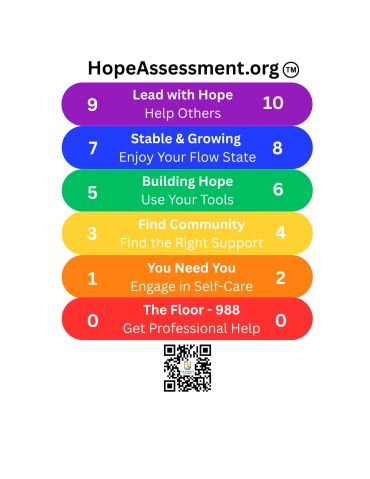
At 0, you are in acute crisis-level distress. This is the floor of the scale, a point where your nervous system is flooded, your thinking feels scrambled, and basic functioning may be difficult. You might be experiencing panic, intrusive thoughts, profound despair, or a sense that you cannot keep yourself safe emotionally or physically in the current situation. This is not a space to self-manage alone or “be strong”; it is a clear signal that you need immediate, external help.
Triggers for a 0 often include a major event layered onto long-standing strain: a traumatic patient outcome; being blamed for a system failure; witnessing severe harm you could not prevent; serious personal losses on top of chronic moral injury; or a breakdown in your support system right when you need it most. Sometimes the trigger is not one event but the final straw after years of overwork and betrayal by systems that promised support and delivered none.
Actionable steps at 0 are about safety and triage, not performance. Tell someone now—trusted peer, family member, therapist, crisis line—exactly where you are, including thoughts of self-harm or complete collapse. Step away from the environment if you can: call in sick, ask for coverage, or use any available leave; your safety matters more than the schedule. Access professional support: crisis services, counseling, or your employee assistance program, and be honest about the level of distress.
Reduce exposure to triggers where possible: this might mean temporarily stepping out of certain roles, avoiding specific units, or saying no to extra shifts. Most importantly, treat a 0 as you would treat a patient in crisis: you deserve immediate care, not judgment. Your Hope score at this level is an alarm bell meant to bring help to you, not proof of weakness.
At 1–2, you are not yet in full crisis, but you are running on empty. Hope feels fragile or absent, and most days you are just white-knuckling through tasks. You might feel numb, cynical, exhausted, angry, or quietly detached. You can still function, but the fuel tank is dangerously low, and small additional stressors feel huge. This band says: you need you—your care, your boundaries, your compassion—before you can show up for anyone else.
Common triggers include chronic understaffing, repeated moral injury (being forced to compromise your standards of care), ongoing gaslighting or blame from leadership, relentless exposure to trauma, and long periods without meaningful rest or validation. Often, 1–2 reflects weeks or months of neglecting your own needs while pushing yourself to “just keep going” for patients, colleagues, or family.
Actionable steps at 1–2 focus on reclaiming basic care and boundaries. First, acknowledge honestly: “I am in the Self-Care band; I am not okay.” That naming alone can interrupt the tendency to downplay your state. Next, carve out non-negotiable rest—turn down extra shifts, set and hold firm limits on overtime, and renegotiate commitments where possible. Prioritize sleep, nutrition, hydration, and movement in whatever way your body can manage; these are not luxuries, they are survival practices. Communicate a simple boundary statement to at least one person: “I am in a very low hope place and need to protect my time and energy for a while.” Reduce exposure to draining people or environments when you can, even in small ways (quiet breaks, leaving the unit on lunch, saying no to unnecessary drama). Use gentle, non-demanding practices that reconnect you to yourself—journaling, spiritual or contemplative time, therapy, or simply sitting in silence. In this band, your primary job is not to fix the system or carry others; it is to stabilize you.
At 3–4, you are struggling and it is visible to you, even if you are still masking it in public. Hope flickers in and out; some days feel manageable, others heavy and discouraging. You might be functioning reasonably at work but find yourself emotionally depleted afterward, more irritable, more tearful, or more inclined to withdraw. This band signals that you are at a crossroads: continuing alone will likely deepen the injury; reaching out can change the trajectory.
Triggers at 3–4 often include ongoing moral distress (knowing what safe care would look like but being unable to provide it), repeated invalidation from supervisors, accumulating grief from patient losses, or personal life stress stacked atop professional strain. You may also be influenced by the culture of your workplace—if others are burning out or leaving, your hope may be eroding in parallel.
Actionable steps at 3–4 revolve around connection and shared language. Name your Hope score and share it with at least one peer: “I’m at a 3 today,” or “I feel like I’m in the 3–4 band right now.” This transforms vague struggle into a concrete signal others can respond to. Identify one trusted person—a mentor, colleague, counselor, spiritual guide, or coalition member—and tell them your story without minimizing. Seek structured support: peer-led groups, supervision, therapy, or spiritual direction where moral injury and trauma are taken seriously, not dismissed. Begin documenting patterns: what shifts, assignments, interactions, or policies reliably drop your Hope score? This documentation is not just personal; it can become evidence for change. Ask for small but meaningful accommodations where possible—adjusted assignments, debriefs after difficult cases, or clearer expectations—to interrupt the erosion of hope. In this band, the key move is shifting from isolated coping to shared, witnessed struggle; support starts to rebuild hope.
At 5–6, you are experiencing real progress, though it may be uneven. Hope is present; it rises and falls, but you can feel it moving. You may notice that some days include genuine moments of meaning, connection, or even joy alongside ongoing challenges. You are likely starting to integrate new boundaries, supports, or practices that give you footing. This band says: you are actively building hope, even if the ground still shakes sometimes.
Triggers for slipping down out of 5–6 can include sudden changes—new leadership decisions that feel unsafe, unexpected losses, or renewed moral injury. But in this band, you also have triggers that raise hope: effective teamwork, validation from peers or mentors, clearer boundaries, and small wins where your voice makes a difference. You are beginning to see that your actions can influence your own Hope score.
Actionable steps at 5–6 focus on reinforcing what is working and expanding it. First, notice and name which specific actions have lifted your Hope score: joining a peer group, saying no to unsafe demands, using Hope-Informed Care language to describe your experience, or tracking your score over time. Keep a simple Hope log to see these patterns more clearly. Share your band with peers: “I’m in the Building Hope range today,” and invite them to share theirs; you start to normalize talking about hope levels like vital signs. Lean into practices that sustain you: regular check-ins, scheduled rest, reflective writing, spiritual or contemplative rituals, creative outlets, therapy, or meaningful connections outside of work. Begin gently advocating for small changes around you—better communication, debrief spaces, realistic expectations—using both your story and your Hope Assessment data. In this band, you are allowed to celebrate progress while still taking seriously the work ahead; every step that raises your score is worth noticing and repeating.
At 7–8, you have enough footing to extend hope to others, not just protect your own. Hope feels solid more often than not. You still experience stress, grief, and frustration, but they do not completely destabilize you. You may feel more grounded in your identity, clearer about your boundaries, and more able to say “no” to unsafe expectations without collapsing in guilt. This band indicates that you are both stable and growing—you are not only recovering; you are building capacity.
Triggers in this band can still push you down the scale—serious harm events, systemic betrayal, or major personal crises—but you now have more tools and community to respond. Positive triggers are stronger here: supportive leadership, functional staffing, meaningful recognition, restorative practices, and seeing tangible results from advocacy or boundary-setting. You may also be involved in peer support or coalition work, which reinforces your own hope.
Actionable steps at 7–8 focus on consolidating stability and intentionally sharing it. Continue your Daily Hope Check-Ins and Hope Assessments; seeing your score hold steady or rise reinforces your sense of agency. Offer peer support in structured, healthy ways: join or facilitate groups, mentor newer clinicians, or participate in organized efforts rather than trying to “save” everyone alone. Share your journey honestly, including the times you were in lower bands; this normalizes the full range of hope and prevents others from feeling defective when they are struggling. Anchor your life in practices that keep you grounded—relationships, community, spiritual or meaning-making frameworks, time away from healthcare altogether—so your hope is not solely dependent on work conditions. Begin to articulate your own personal version of Operational Hope: how you recognize injury, how you respond, how you rebuild. In this band, you are invited to be generous with your hope, but never at the expense of your own boundaries; you support others because you are stable enough to do so, not because you are obligated.
At 9–10, you are generating hope for the system around you, not just recovering it for yourself. Hope is not naïve optimism here; it is a disciplined, grounded belief that better care and better systems are possible, coupled with lived experience of healing and change. You may be actively shaping culture—formally or informally—as a leader, mentor, organizer, or deeply trusted colleague. People look to you not because you deny pain, but because you acknowledge it and still hold a credible vision of something better.
Triggers at 9–10 still exist—no one is immune—but your response is different. When events threaten your hope, you are more able to pause, name what is happening, and mobilize support or advocacy rather than collapsing. Positive triggers include seeing moral injury named openly, watching staffing or policy improve, witnessing colleagues reclaim their own hope, and participating in effective coalitions or reform efforts. Your Hope score is now part of a larger tapestry: it sits alongside the scores of peers, units, and organizations, helping signal where collective healing is happening.
Actionable steps at 9–10 center on leading with hope without slipping into saviorism. Continue to use the Hope Assessment and Daily Hope Check-In; high scores still need monitoring, because leaders can burn out by overextending. Share your hope in ways that are realistic and trauma-informed—acknowledging risk and harm while highlighting pathways forward, tools that work, and examples of change. Help create structures where hope can be measured and acted on: peer support programs, reflective rounds, safe reporting mechanisms, and organizational dashboards where Hope scores sit alongside quality and safety metrics. Mentor others in using the scale: teach them that a low score is a call for care, not a judgment, and that climbing the bands is a journey, not a race. Advocate boldly at system levels—policy, leadership, staffing, resource allocation—using both stories and data, including Hope scores, to argue for humane, hope-informed care. In this band, you are invited to see yourself as a practitioner of Operational Hope: someone who helps design and sustain systems where hope is possible, protected, and practiced.
Copyright © 2026 The Business of Hope - All Rights Reserved.
Powered by GoDaddy
We use cookies to analyze website traffic and optimize your website experience. By accepting our use of cookies, your data will be aggregated with all other user data.